Interior
Professional Interior Detailing, Step by Step
What a professional interior detail includes that a quick clean does not: steam, extraction, odor treatment and surface-specific care.
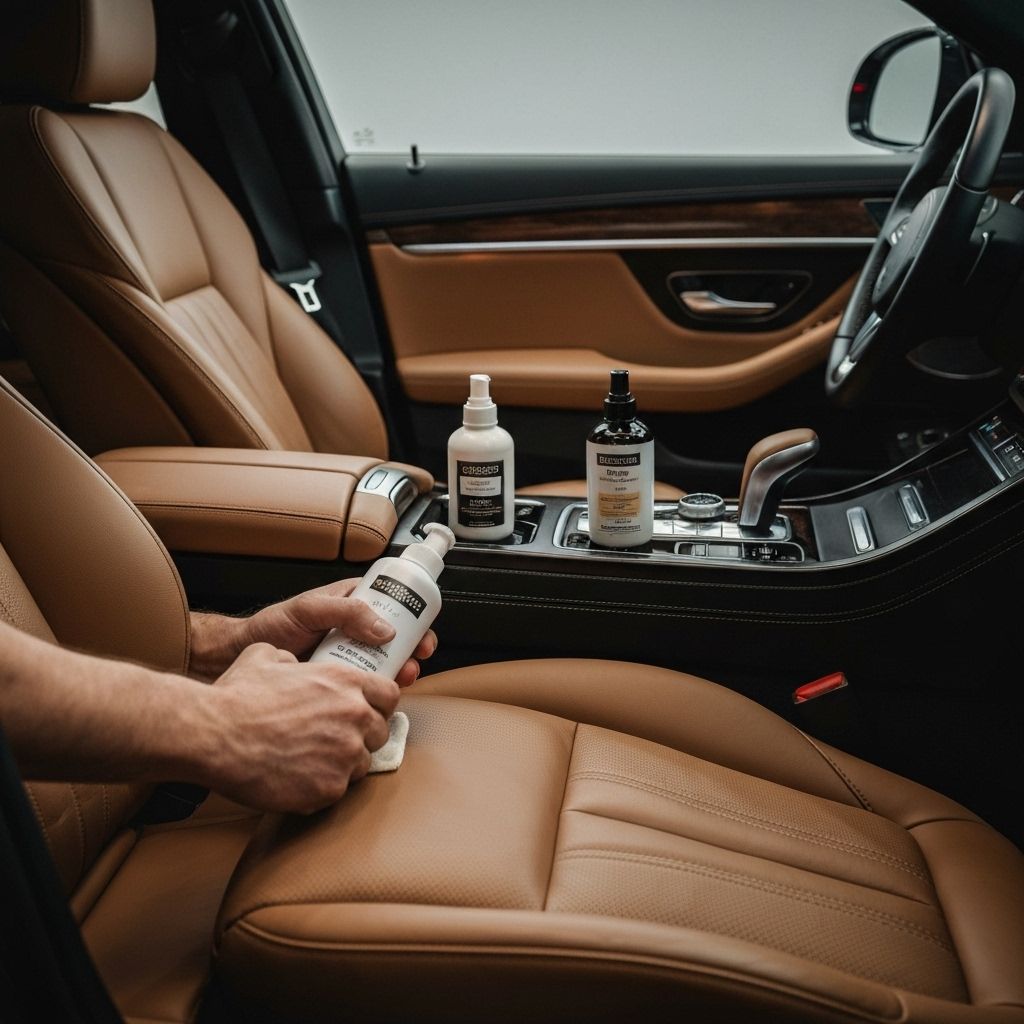
A professional interior detail goes beyond vacuuming and wiping. The goal is to remove what is embedded in the materials, not just what sits on top. Here is what that process looks like.
Inspection
Before starting, a detailer looks at stain types, material types and problem areas such as pet hair, odors or mold. This decides which chemicals and tools are safe to use.
Air purge and dry extraction
Compressed air blows out vents, seat seams and tight gaps. A strong vacuum and brushes remove loose dirt, sand and hair. Pet hair often needs rubber tools or specialized brushes because it weaves into carpet fibers.
Steam cleaning
Steam loosens grime from cup holders, consoles, door pockets and textured plastics without heavy chemicals. It also helps sanitize high-touch areas.
Shampoo and hot water extraction
For fabric seats and carpet, a cleaner is applied and agitated, then a hot water extractor flushes and pulls dirt and solution out of the fibers. This is what removes the dirt you cannot see, and it is the main reason professional results last longer.
Leather care
Leather is cleaned with a pH-appropriate cleaner and a soft brush to lift dirt from the grain, then wiped and conditioned. Perforated leather needs extra care so liquid does not soak in.
Odor treatment
Odors are removed by eliminating the source first, then treating the cabin. Masking sprays only cover smells temporarily.
Finishing
Plastics get a non-greasy UV protectant, glass is cleaned streak-free, and door jambs are wiped. Everything goes back in place.
What to expect
An interior-only detail typically takes two to three hours. Heavily soiled vehicles, pet hair and stain treatment take longer. Some stains, like old dye transfer or bleach spots, can be improved but not always removed.