Paint Correction
Swirl Marks: Hiding Them vs. Removing Them
Glazes and filler waxes hide swirl marks for a few washes. Polishing removes them. How to tell which one you are paying for.
Swirl marks are the fine, circular scratches you see on paint in direct sun or under a light. There are two ways to make them less visible: hide them, or remove them. They can look similar on the day, but they are very different services.
How swirls are hidden
Glazes, filler polishes and some waxes contain oils and fillers that settle into fine scratches. With the scratches filled, light reflects more evenly and the paint looks glossier. This is useful for a quick event or before selling a car.
The downside is that it is temporary. After a handful of washes, or a few weeks of heat and rain, the fillers wash out and the swirls return. Fillers can also prevent coatings from bonding properly.
How swirls are removed
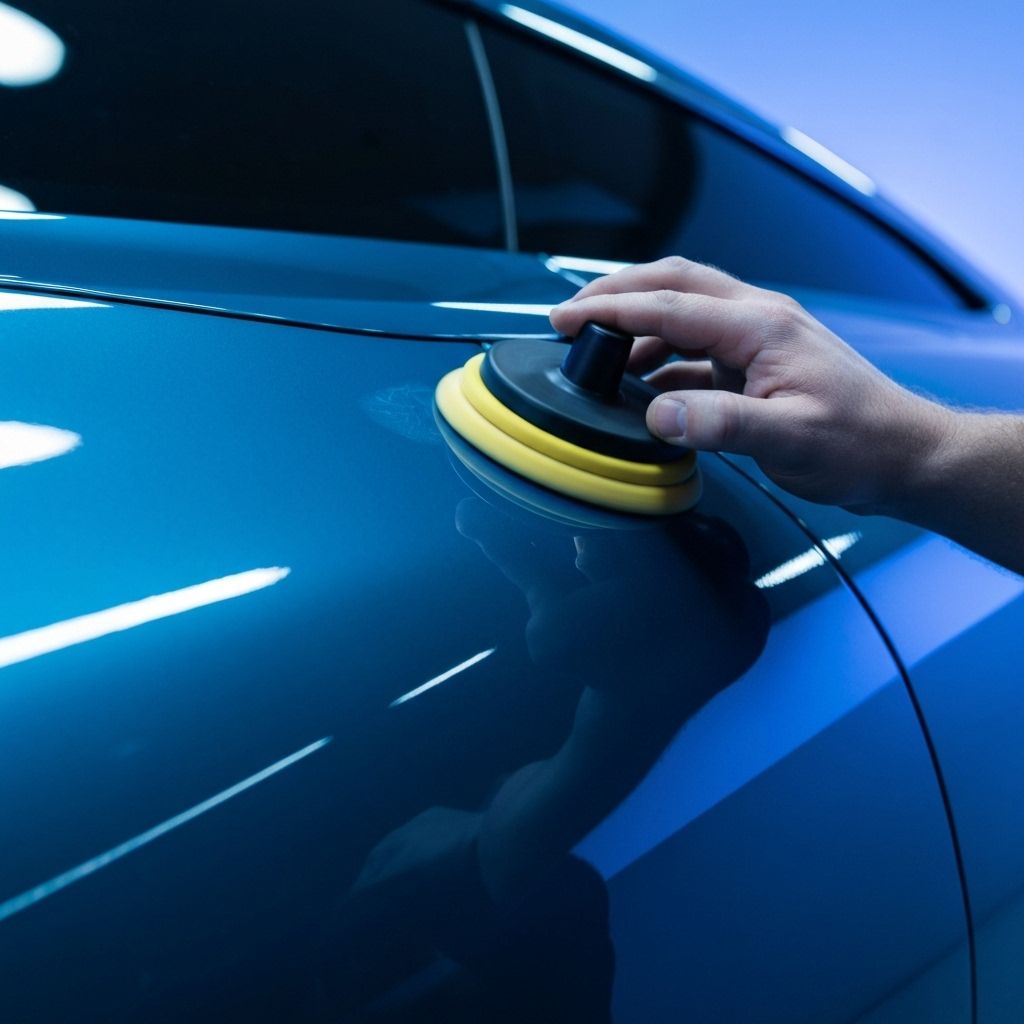
Removal means machine polishing the clear coat until it is level with the bottom of the scratches. Once they are gone, they are gone. New swirls can only come from new damage, usually from washing.
How to tell what you are getting
Ask whether the service uses a machine polisher and how many steps are involved. Ask whether panels are wiped with an inspection spray before protection is applied. That wipe removes oils so you see the true result. If a quoted price for removing swirls sounds very low, it is often a glaze.
When hiding is fine
Hiding swirls is reasonable for a car you are selling soon, for an event, or as a short-term improvement while you save for correction. Just know what you are buying.
How to stop new swirls
Most swirls come from washing. Use two buckets, clean mitts and plush drying towels, avoid brush washes, and keep the paint protected. A ceramic coating adds a harder, slicker layer that resists light wash marring.
If you want the swirls gone for good, paint correction followed by protection is the permanent fix.