Ceramic Coating
What Actually Makes a Ceramic Coating Look Glossy
Gloss comes from a level surface, not from the bottle. How correction, surface primers and coating layers combine to create that wet look.

People often expect a ceramic coating to create gloss on its own. In reality, a coating mostly preserves and slightly enhances the gloss that is already there. Understanding where gloss comes from explains why prep matters so much.
Gloss is about reflection
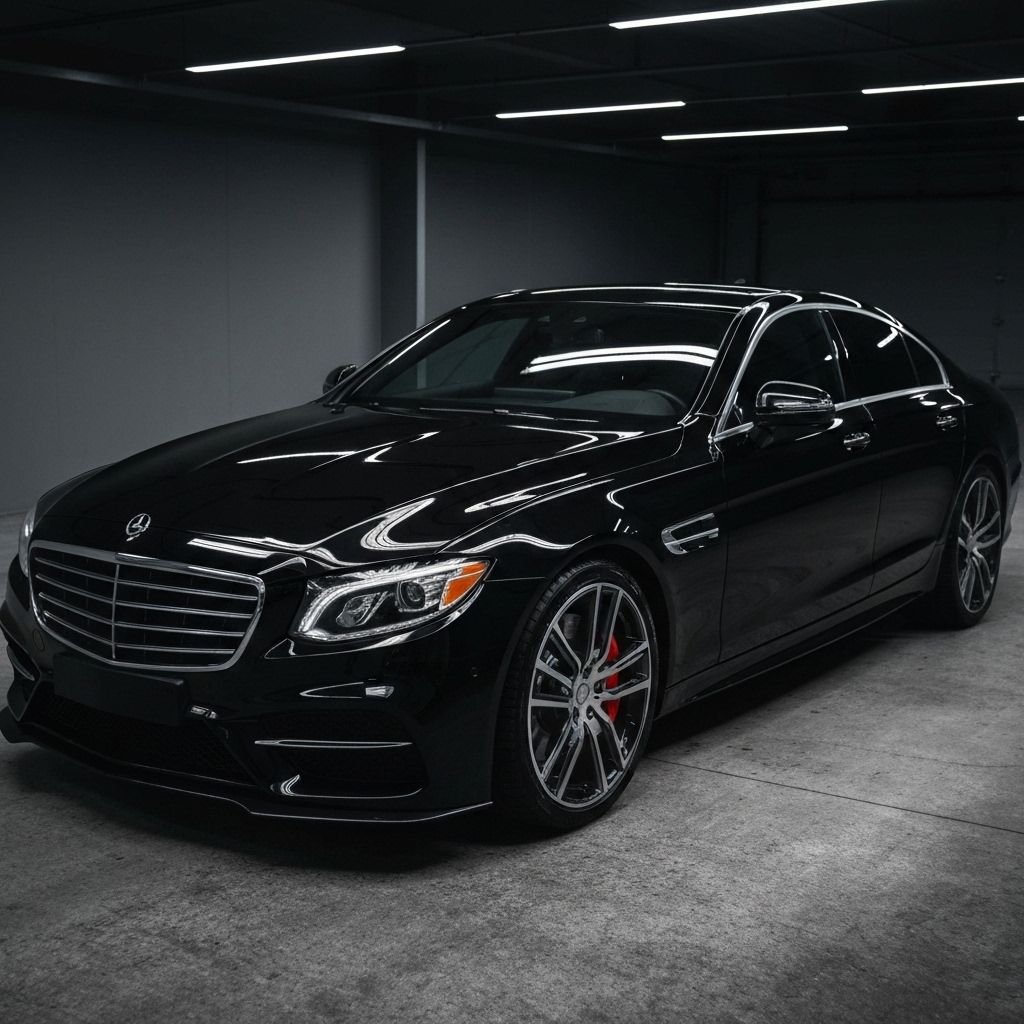
Gloss is how cleanly a surface reflects light. A perfectly level surface reflects light uniformly, so you see sharp reflections and depth. Scratches, swirls and contamination scatter light, which reads as dullness or haze.
Correction does most of the work
Machine polishing levels the clear coat and removes the defects that scatter light. This is where the dramatic before-and-after change in gloss comes from. A coating applied over swirled paint will look slicker, but the swirls will still be visible.
Smoothness matters too
Even a corrected surface has microscopic texture. Some coating systems use a primer layer designed to fill and smooth that texture before the main coating. The idea is a smoother base that reflects more cleanly and gives the top layer a uniform surface to bond to.
The coating's contribution
A clear, hard coating adds a transparent layer that can deepen reflections slightly, especially on darker colors. Multiple layers can add a little more depth. Its bigger contribution is keeping the surface clean, slick and protected, which preserves gloss over time.
Why gloss fades
Gloss fades when the surface collects contamination or new marring. Water spots, road film and wash scratches gradually scatter light again. That is why maintenance washing and occasional decontamination keep a coated car looking freshly finished.
The takeaway
If you want maximum gloss, invest in correction first, then protect it. The coating is the frame around the picture; the correction is the picture.