
Wheels
Brake Dust: Why It Damages Wheels and How to Remove It
Brake dust is hot, metallic and corrosive. Why leaving it on your wheels causes pitting and staining, and the simple routine that prevents it.
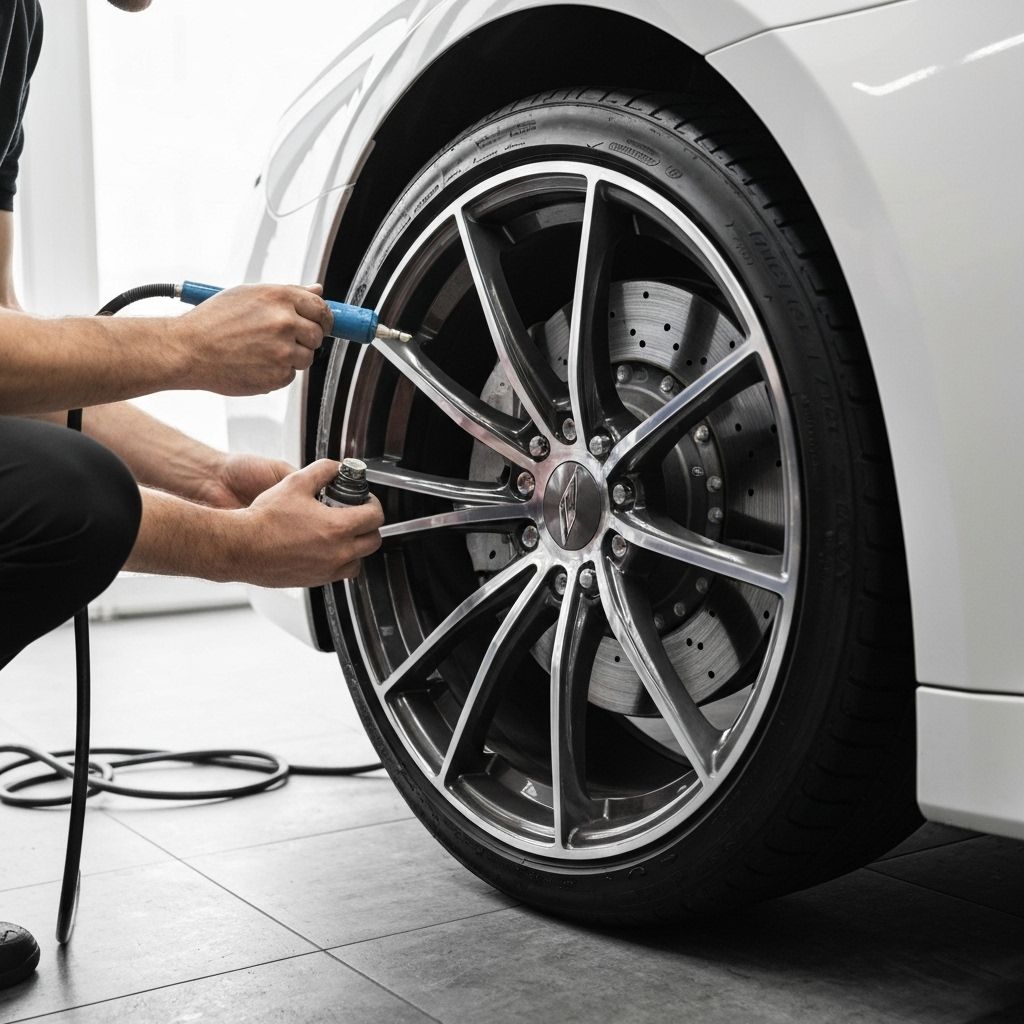
Brake dust looks like harmless gray powder, but it is one of the most damaging contaminants on a car. Understanding what it is explains why regular wheel cleaning matters so much.
What brake dust is
Every time you brake, the pads wear against the rotors and shed fine particles of iron, carbon and binding materials. Those particles are hot when they land on the wheel, so they can embed into the finish.
Why it causes damage
Iron particles oxidize when exposed to moisture. Left on the wheel, they corrode and can cause pitting and staining in the clear coat or finish. Combined with road salt in winter, the process speeds up. Performance cars with aggressive brake pads produce even more dust.
Why it is hard to remove
Because the particles are hot when they hit, they bond to the surface. A wash mitt alone will not lift embedded dust, and scrubbing harder only scratches the finish.
How to remove it
Use a dedicated iron remover after washing the wheel. Spray it on a cool wheel, let it dwell for the recommended time, and watch it change color as it dissolves the iron. Agitate gently with a soft brush and rinse thoroughly.
Prevention
- Wash wheels every time you wash the car.
- Do not let heavy dust sit for weeks, especially in winter.
- Protect wheels with a sealant or ceramic wheel coating so dust cannot bond as easily.
- Consider low-dust brake pads if your car produces a lot of dust and you do not need track performance.
It affects paint too
Brake dust and rail dust also land on paint, especially the lower panels and rear of the car. That is why iron decontamination is part of every proper paint correction and coating prep.