Products
All-Purpose Cleaner in Detailing: Uses and Dilutions
A good all-purpose cleaner handles dozens of jobs inside and out, but only at the right strength. Where to use APC, where not to, and why dilution matters.
All-purpose cleaner, usually called APC, is one of the most versatile products in a detailer's kit. Most are concentrated and designed to be diluted for different jobs. Using the right strength is what makes it both effective and safe.
Why dilution matters
Too strong and APC can stain plastics, dry out rubber, or strip protection from paint. Too weak and it will not cut through grime. Always follow the manufacturer's dilution chart; ratios vary a lot between brands.
Common uses
- Interior plastics and vinyl: a light dilution to remove dust, film and fingerprints.
- Fabric spot treatment: pre-treating stains before extraction.
- Door jambs: cutting through grease and grime that shampoo misses.
- Tires: a stronger dilution to remove old dressing and browning before applying new dressing.
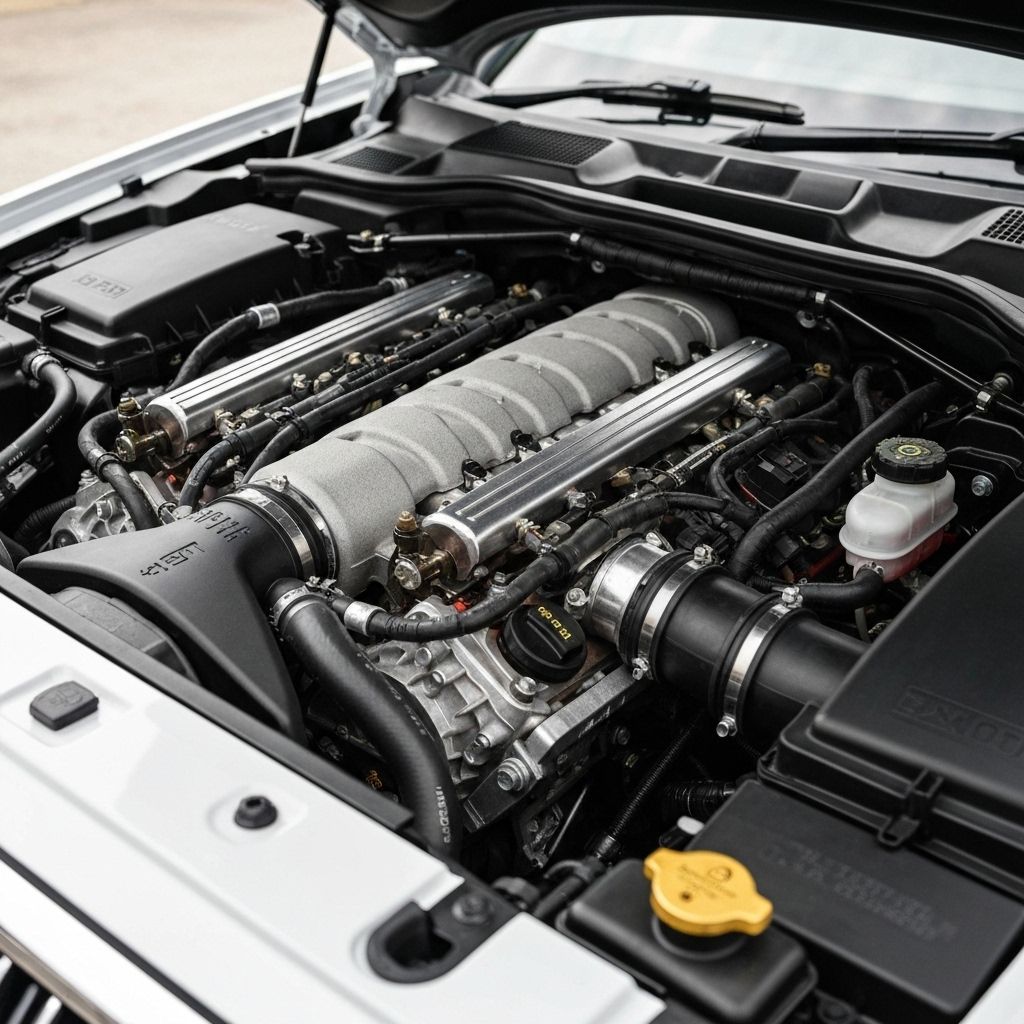
- Engine bays: a moderate dilution to break down light grease.
- Bugs: a light dilution as a pre-treatment on the front end before washing.
Where to be careful
Avoid strong APC on infotainment screens, piano-black trim, leather, Alcantara and coated paint. Do not let it dry on any surface, especially in sun or heat. Rinse or wipe thoroughly after use.
Spray the towel, not the surface
Inside the car, spray onto a towel or brush rather than directly onto panels. This prevents overspray onto glass, electronics and leather.
Label your bottles
Detailers usually keep two or three spray bottles of APC at different dilutions. Label them clearly so a strong engine-bay mix never ends up on a dashboard.
APC is not a magic product, but used correctly, it replaces a shelf full of single-purpose cleaners.